Kuala Lumpur, the capital of Malaysia, was one of the cities that pleasantly surprised us when we decided to discover it. Then, everything this vibrant urban center has to offer unfolded, from enjoying its diverse culinary scene and exploring Chinatown, to admiring the mosques, marveling at the Batu Caves, and feeling tiny next to the Petronas Towers..
And all this with very efficient and fast public transport. So, take note of everything we suggest in this guide!
Kuala Lumpur is a relatively new city, with the first settlements dating back to 1857. The discovery of tin deposits attracted Chinese and Malay workers, and soon after, Kuala Lumpur, the capital of the state of Selangor, was established.
If there is one thing that stands out, it is its cultural and architectural diversity, the mix of skyscrapers, such as the Petronas Towers, and historic buildings such as the old train station. It is also known for its culinary scene which merges the Chinese, Malay and Indian influence of its inhabitants.
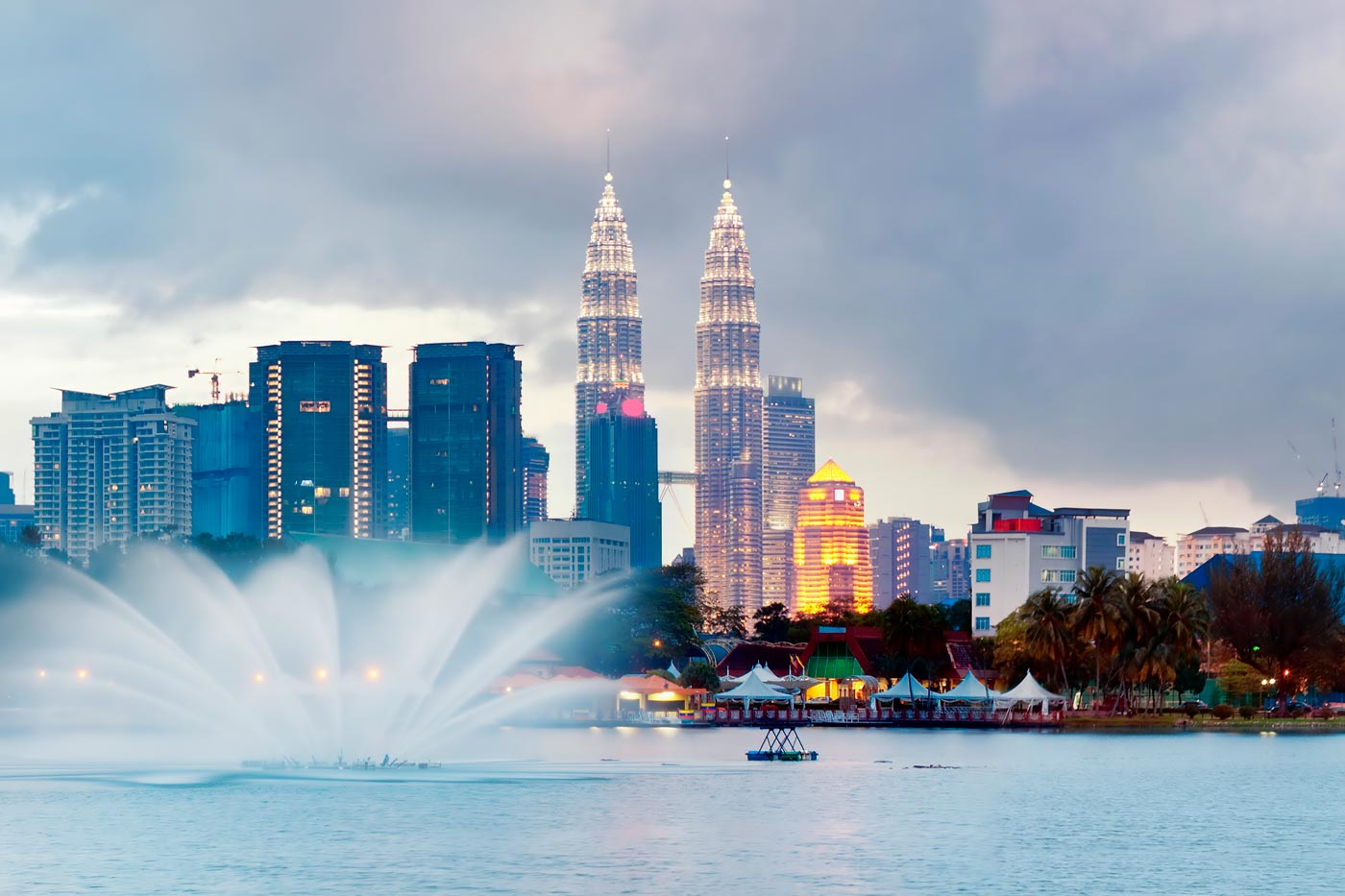
Kuala Lumpur is located on the Malay Peninsula and has an equatorial climate, which means it can rain at any time of the year. Here we tell you which are the two main seasons so you can plan your trip:
Dry season (May – September): During these months, the city experiences less rain and more sunshine. Maximum temperatures are around 31-33ºC and minimum temperatures are around 23-24ºC.
Rainy season (November – February): During these months there is abundant and intense rainfall. Temperatures are warm and humid, although they are usually similar to those of the dry season, with maximum temperatures between 31-33ºC and minimum temperatures around 23-24ºC.
For tourism purposes, you can enter Malaysia without a visa. Usually, you’re allowed to stay for up to 90 days upon arrival. If you intend to stay beyond 90 days or are visiting for reasons other than tourism, you need to obtain a visa from the nearest Malaysian diplomatic office prior to your departure.
It goes without saying how important it is to travel to Malaysia with a good insurance. We were the first ones to offer the famous 5% discount on IATI Insurance, but you also have it available with Heymondo Travel Insurance.
Follow the links below to get a discount on their website:
Kuala Lumpur is one of the most important capitals in Southeast Asia, not only in terms of tourism, but also because the city has large international companies. This means that there are many options for getting there.
There are many companies offering flight deals to Kuala Lumpur, in fact we believe that the capital of Malaysia has become the gateway to Asia ahead of Bangkok, so you can always find an offer if you have flexible dates from the search engine in the link above.
Kuala Lumpur International Airport (KUL) is one of the largest airports in the world, with flights from many cities and connections within Malaysia itself. We will show you how to get from Kuala Lumpur Airport (Terminal KLIA or KLIA2) or vice versa to Chinatown.
If you are traveling from Thailand or Singapore, there are day and night trains that can take you to KL Station, the most important station in the city, in just a few hours.
Malaysia generally has a very good bus service between most cities and you can reach smaller towns by changing trains. You can even travel to/from Singapore or Thailand.
There are several bus terminals in Kuala Lumpur depending on whether you are heading south, north, east, etc. Below you can see how to get from Kuala Lumpur TBS to Chinatown for less than €1.
Also if you come from Georgetown, you have the option of train and bus, leaving from Butterworth (in front of Penang Island):
Melaka is another of the most common destinations when traveling through Malaysia, so here are a few options for travelling to Kuala Lumpur:
While many hotels, guesthouses, and restaurants in Thailand offer free Wi-Fi, some travelers prefer or need a constant connection. We’ve included details on obtaining a eSIM Malaysia card with unlimited data. If you want to get one directly, use the following link (with a discount):
Next to KL Sentral station, there is the Brickfields neighbourhood. Bricks were manufactured there in the 19th century and it has now become the Malaysian capital’s Little India, after initially being located in the Jalan Masjid India area.
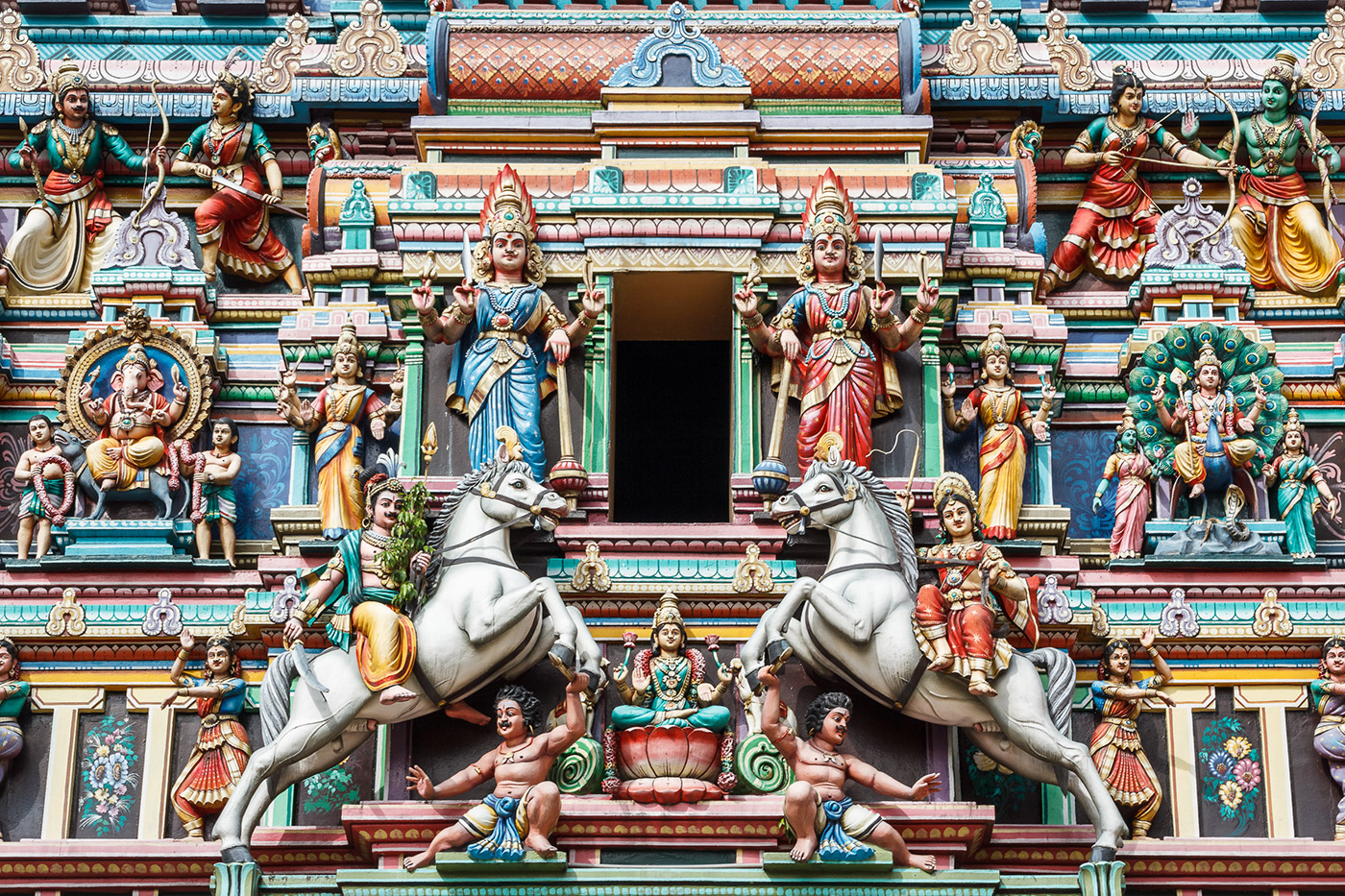
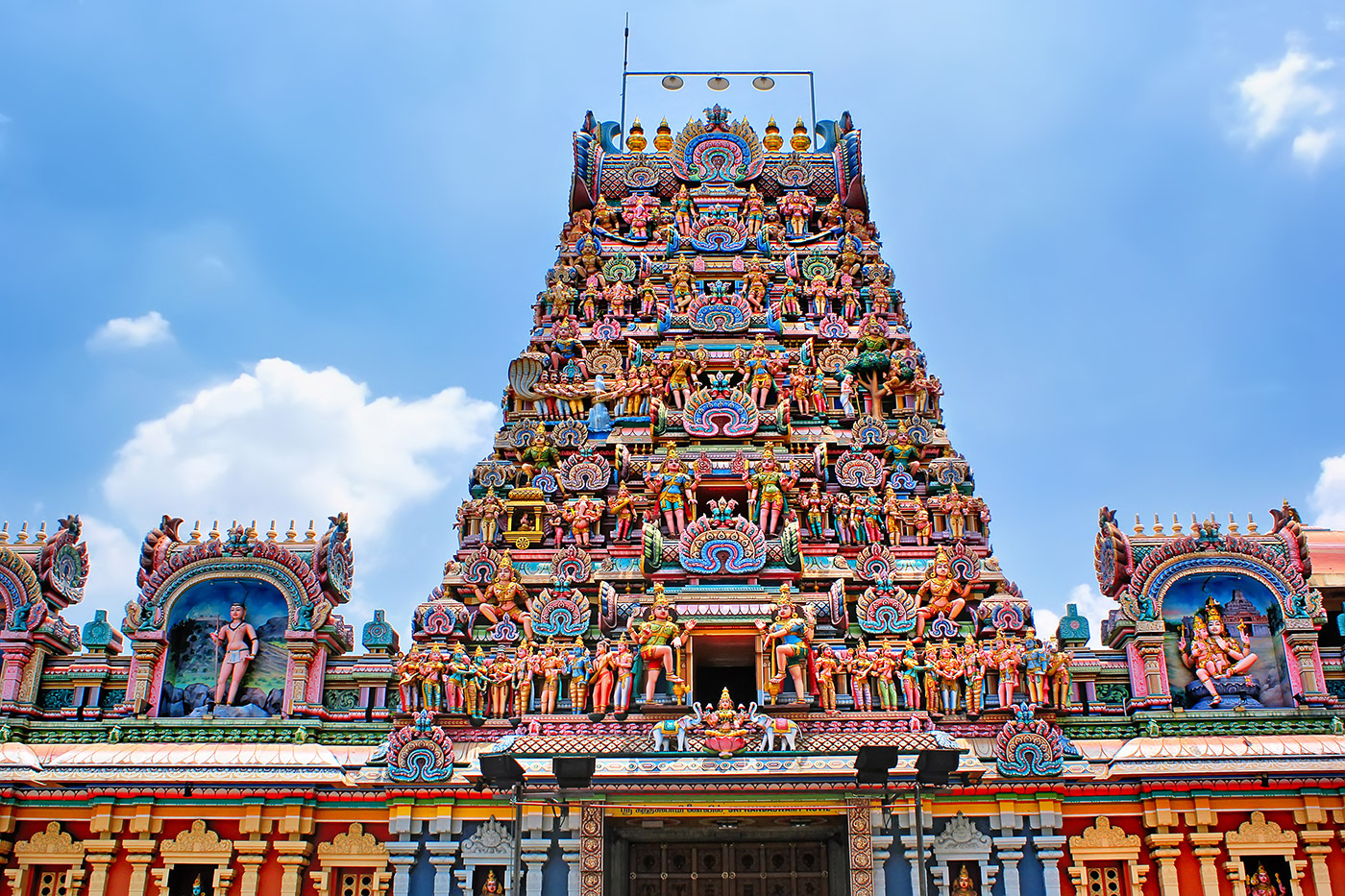
From Jalan Travers to Jalan Thamby Abdullah, you will be immersed in the smell of curry wafting from its numerous restaurants, its colorful temples such as Sri Kandaswamy, and its bazaars where you can find anything from saris to jewelry, along with all kinds of products.
Petaling Street is the heart of Kuala Lumpur’s Chinatown, a group of streets that never rest day or night. On a walk through this area, you can find Hindu, Buddhist or Taoist temples and scenes of intense bargaining in its markets, where you can buy everything from handicrafts and electronic products, to copies of Western brand clothing and accessories.
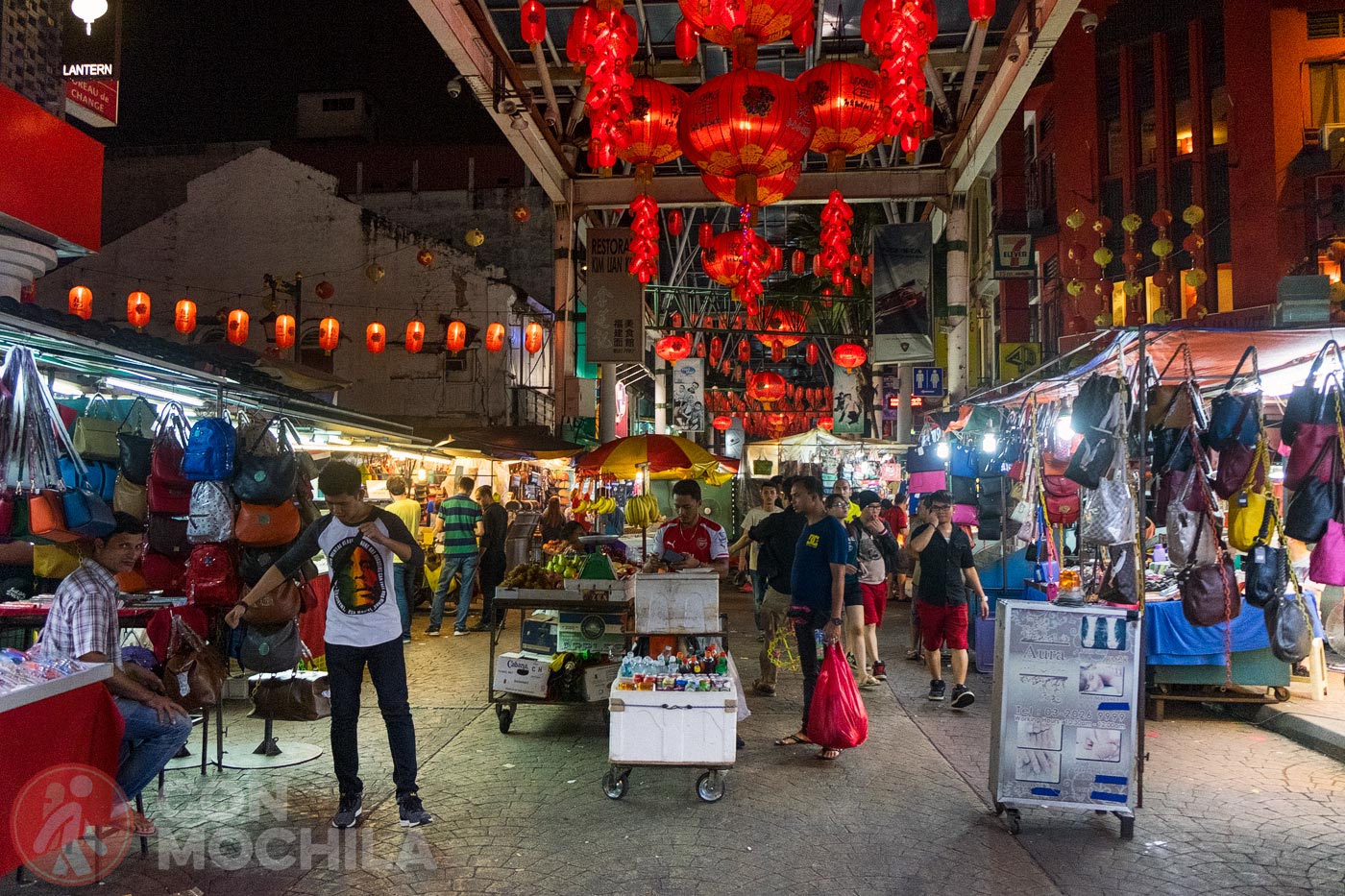
Chinatown is also a little paradise for gastronomy, with dozens of tiny street food restaurants.
The Petronas Towers, Kuala Lumpur’s symbol of modernity and luxury, held the title of the tallest towers in the world until the construction of Dubai’s Burj Khalifa in 2003. The Argentine architect who designed them, César Pelli, used traditional Islamic motifs and the towers are said to be reminiscent of Delhi’s Qutb Minar.
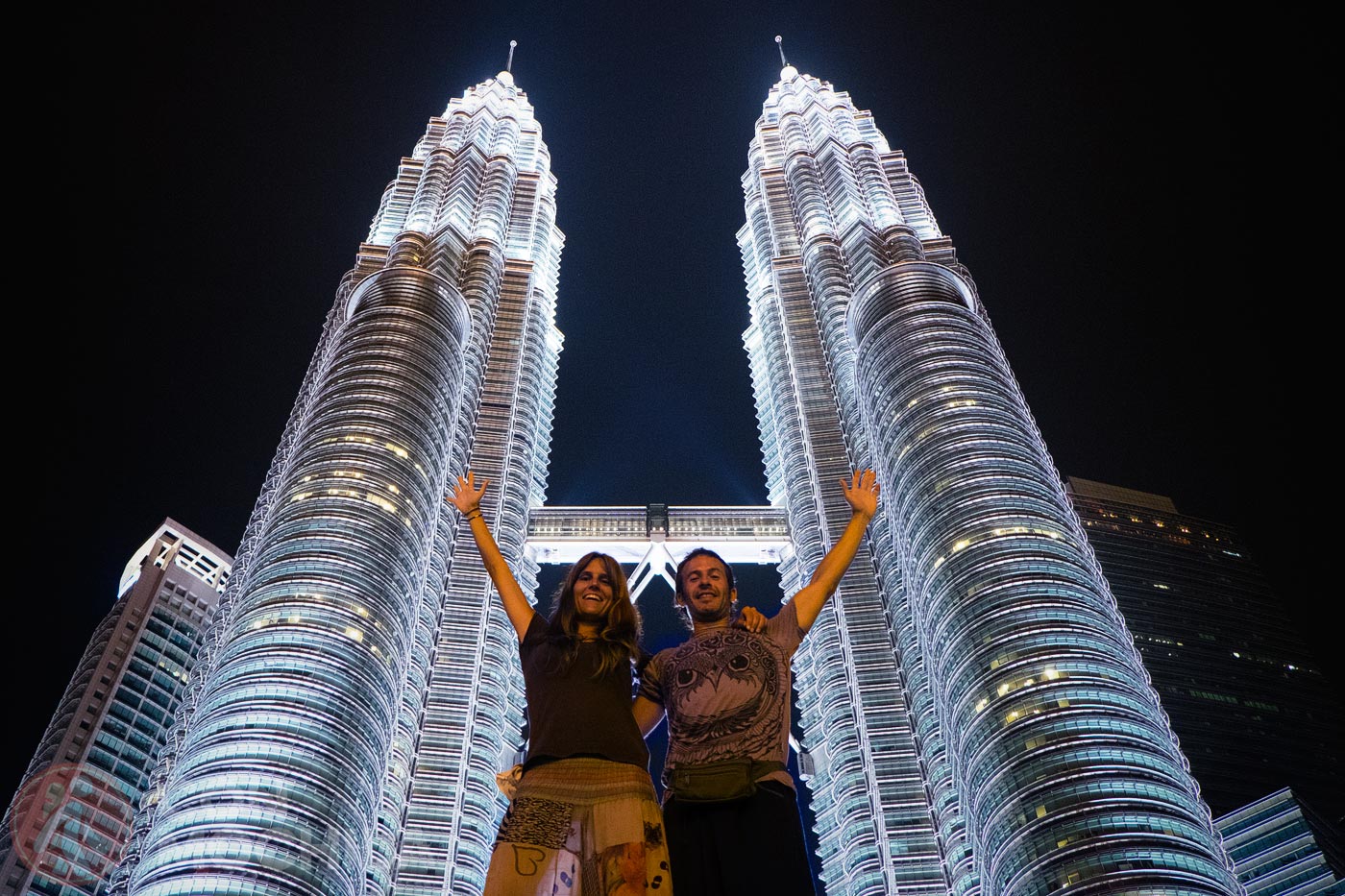
At the foot of the towers there is the KLCC Park, a place where you can rest, have a picnic, and admire the towers after a day of walking around the city.
In the heart of Chinatown, you’ll find yourself face to face with this impressive and extravagant temple founded by Tamil immigrants from southern India in 1873 (they say it is the oldest in the city), although some parts were remodeled in the 1960s. Its gopuram (monumental tower) measures 22 meters high with 5 different floors and more than 220 deities from the Ramayana represented.
Inside Sri Mahamariamman, you can find several large shrines and some smaller ones.
If there is one thing that reflects Malaysia’s cultural diversity, it is its cuisine. In Kuala Lumpur, there are delicacies from other parts of the country, as well as Indian, Chinese and international cuisine, such as nasi lemak, nyonya laksa, char kway teow, curries, roti canai, Malay sweets and some dishes that are a bit unfamiliar to our taste.
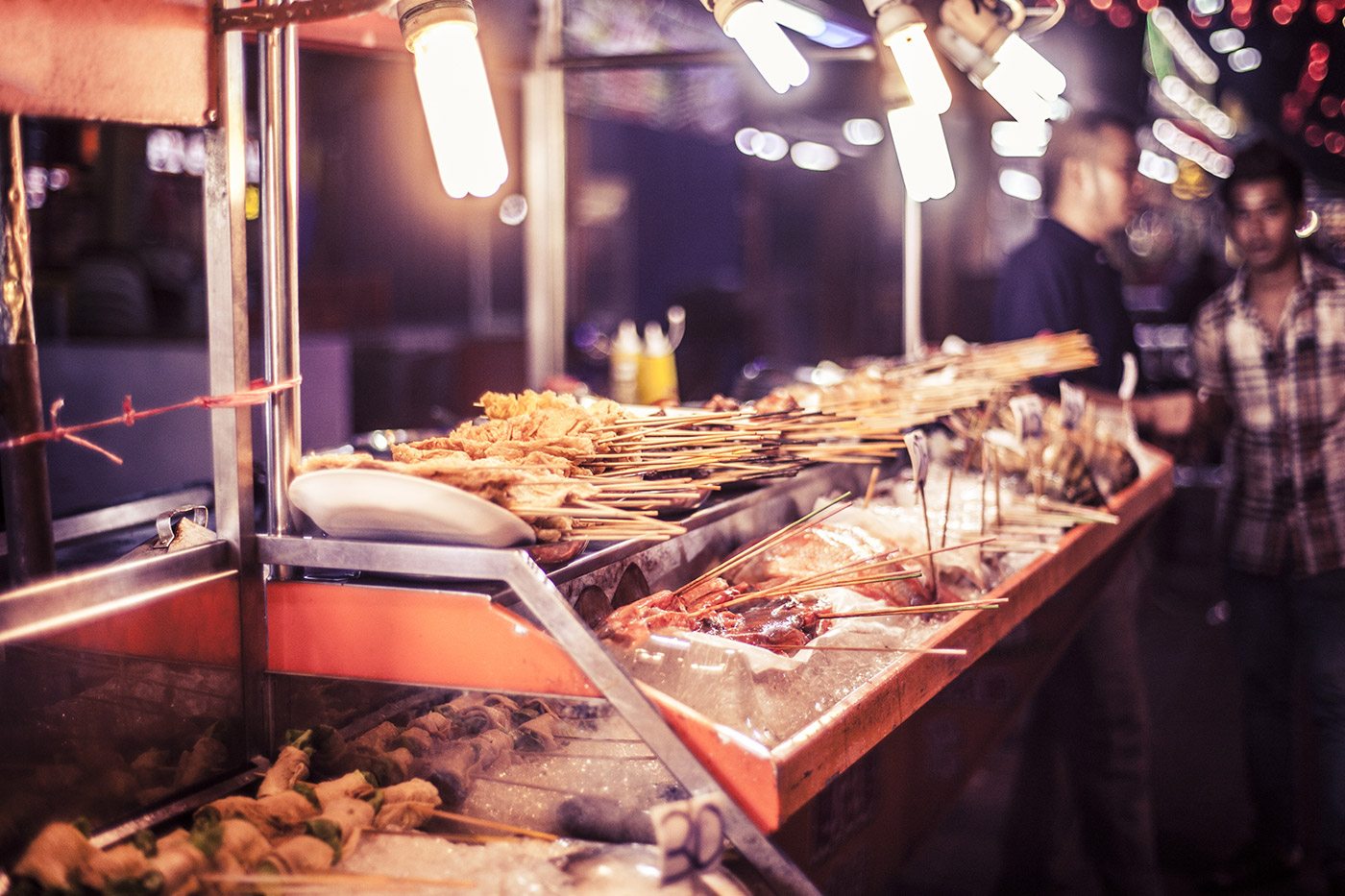
You can find everything from small street stalls to hawker centers and food courts, where you can choose from a variety of dishes from tables laid out in the center, as well as upscale restaurants.
Malaysia is a country of many religions, the largest of which is Islam. Kuala Lumpur and its surrounding areas are home to some of the largest and most impressive mosques in Southeast Asia. The Masjid Jamek, built 10 years ago and featuring a mix of architectural styles, is located in the city centre.
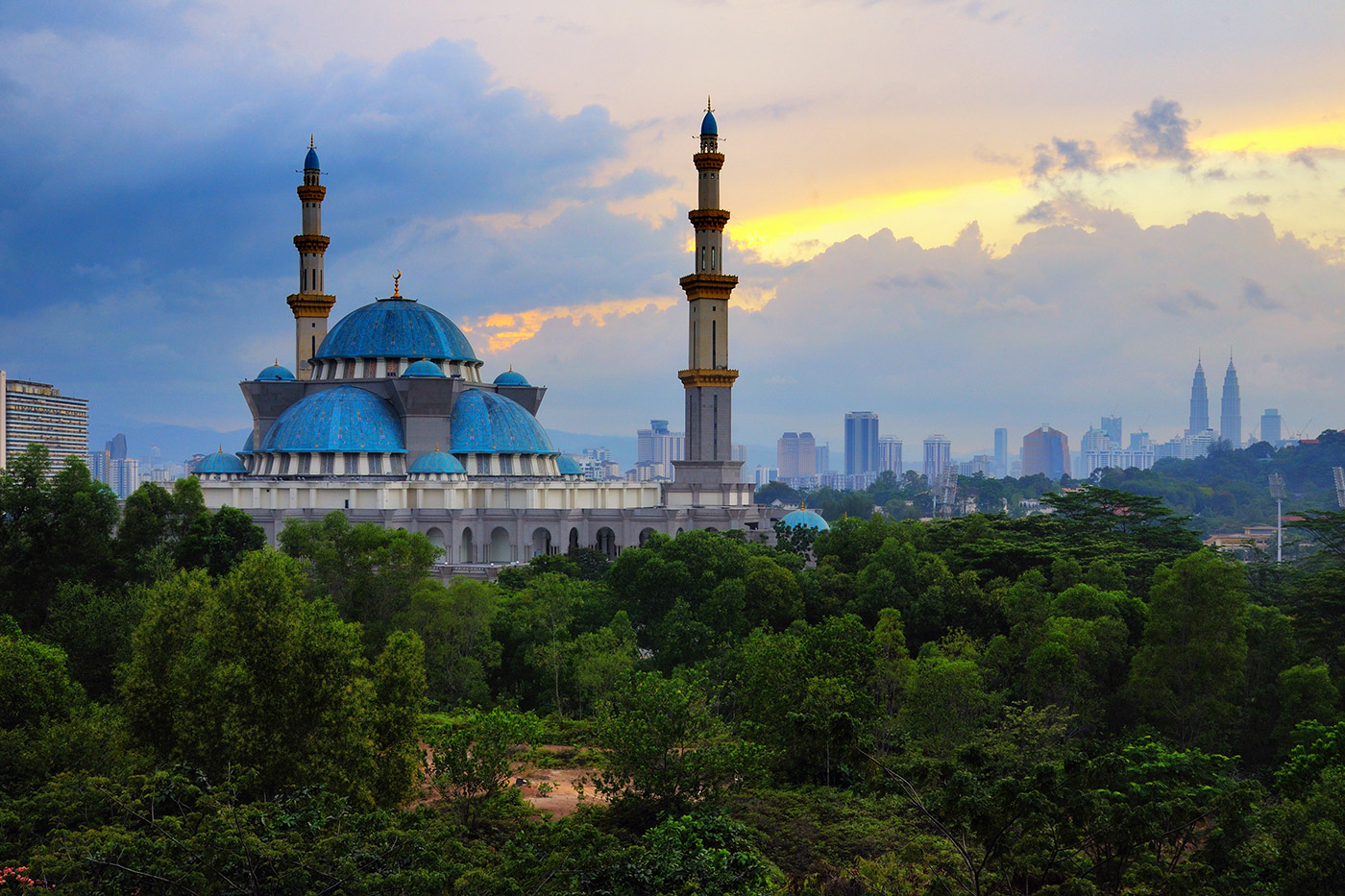
When discussing one of the largest in the country, we must mention Masjid Salahuddin Abdul Aziz Shah, also known as the Blue Mosque, due to its distinctive blue dome. Masjid Putra is located in Perdana Putra, next to Putrajaya Lake.
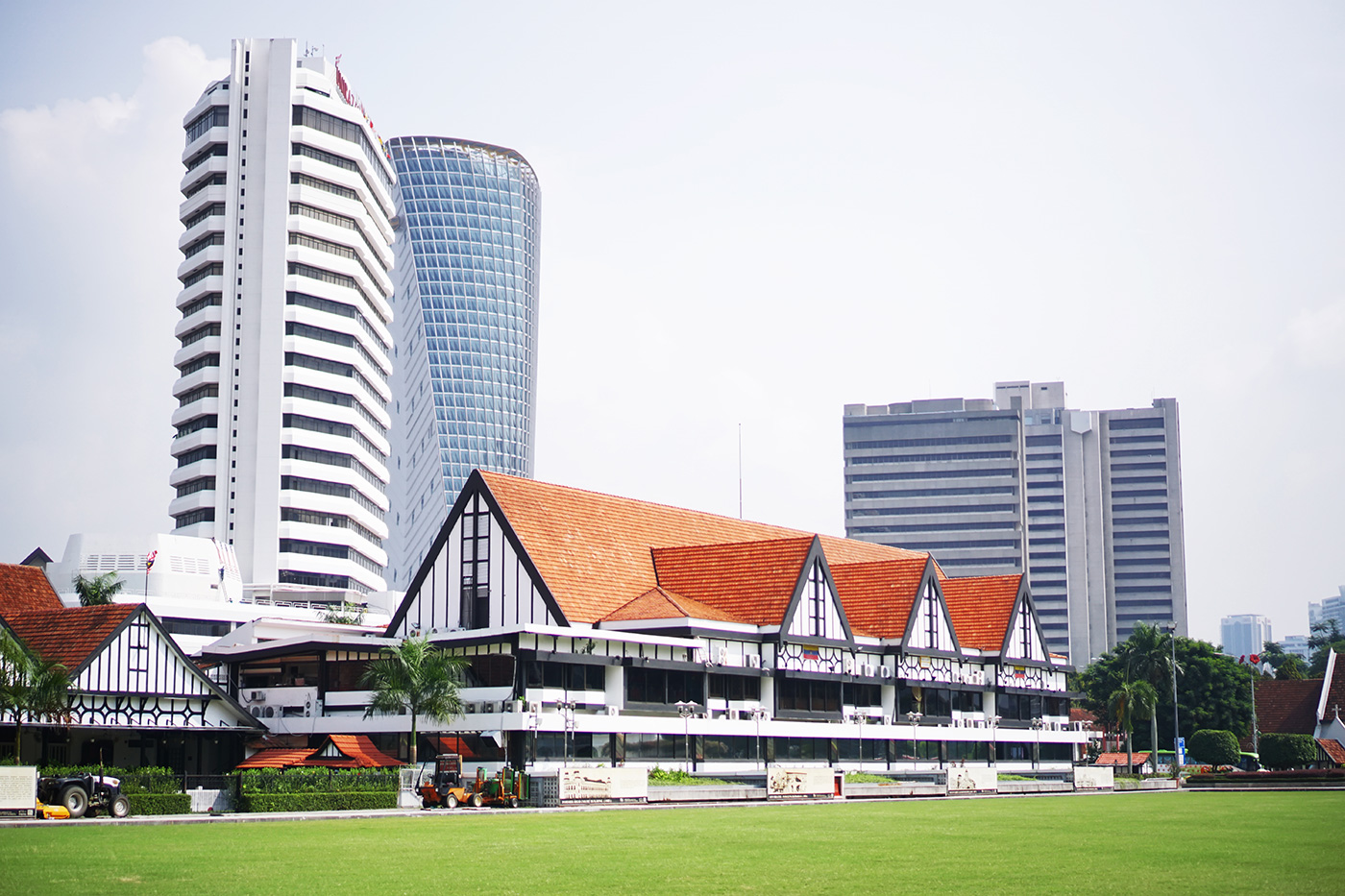
The Royal Selangor Club is one of Asia’s oldest sporting institutions and is located in Merdeka Square. It was founded in 1884 and originally built as a social and sports club for expatriates from the British colony and military personnel residing in Kuala Lumpur.
The ornate carvings on its walls in various colors reflect the grandeur of the Nguyen dynasty very well.
The country’s colonial past is reflected in the many buildings reminiscent of both East and West, many of them built in the late 19th or early 20th centuries. Walking through the city, you can discover some authentic gems of Mughal architecture such as the old train station by architect Arthur Benison Hubbak, and the Sultan Abdul Samad government building, and in the Victorian style there is the Central Market or the Coliseum theatre.
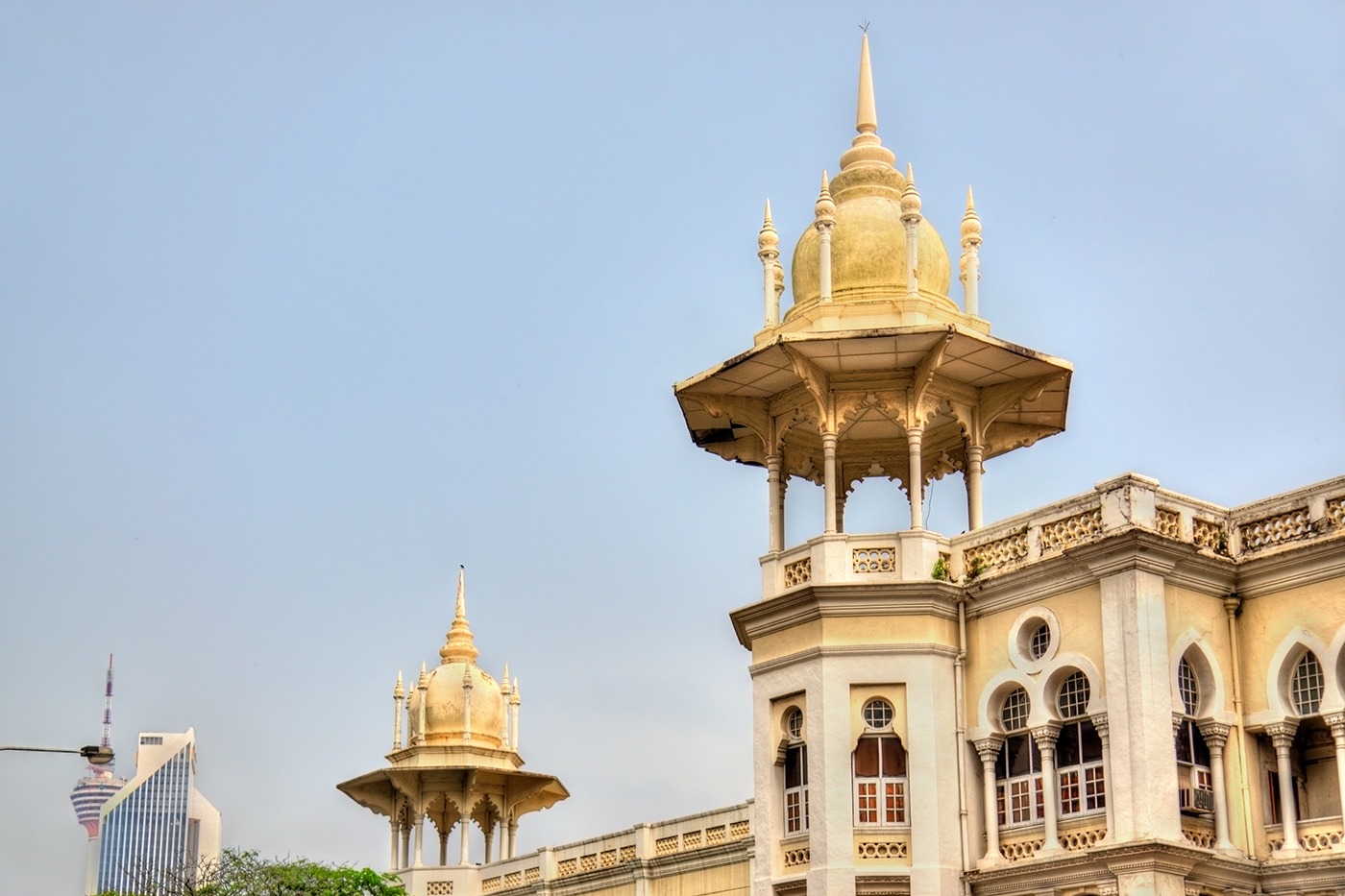
All this exists alongside the endless glass skyscrapers and Islamic-style buildings.
In the city center there is a residential area with traditional Malay-style wooden houses. Here, the inhabitants fought decades ago to maintain their land and their way of life in the growing and demanding Kuala Lumpur.
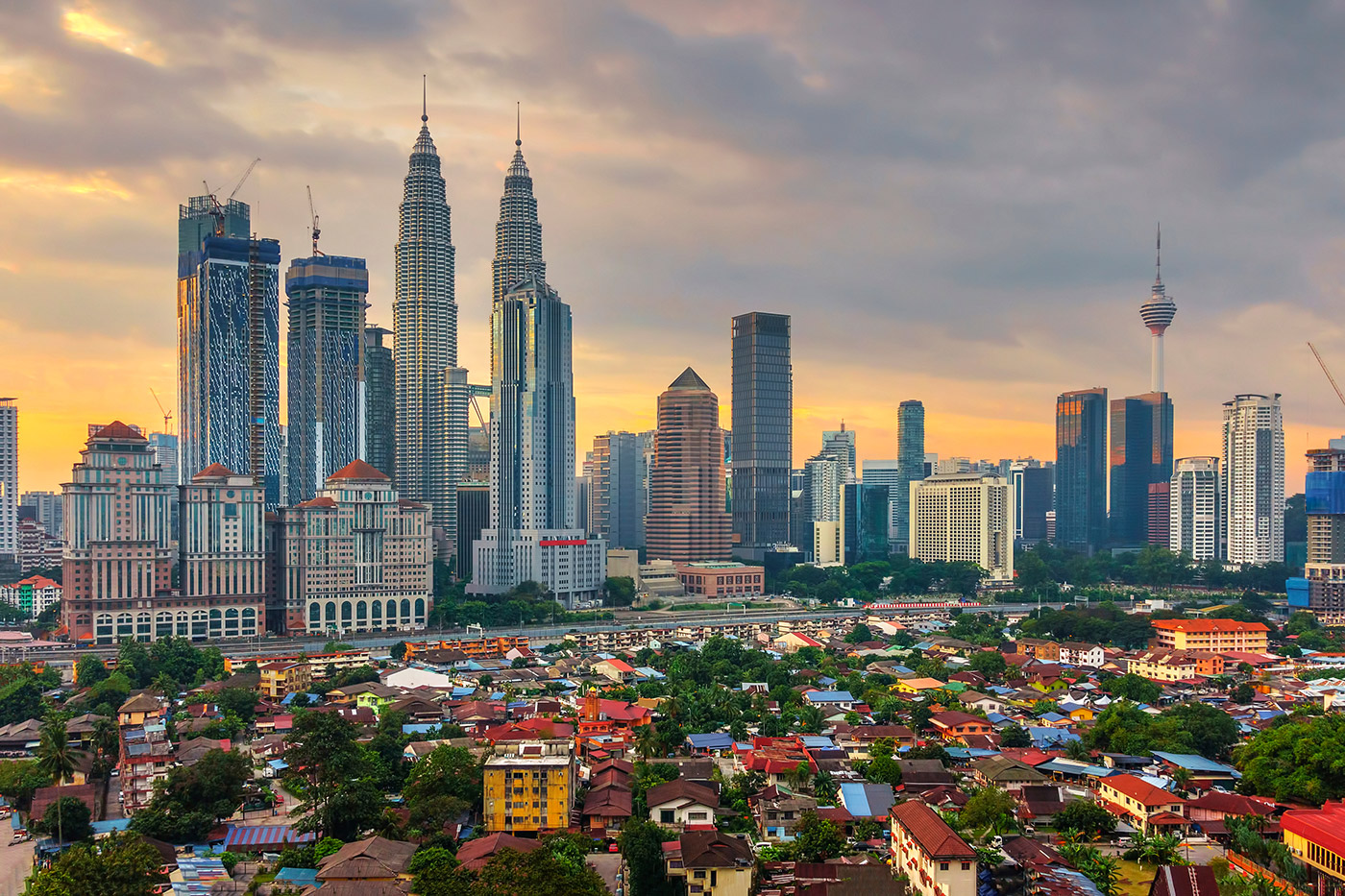
Today, Kampung Baru is a reflection of the political, historical and cultural heritage of the Malays. As well as historic houses facing skyscrapers, you can still see children playing in the streets, small street stalls, and a night market. If you like Malaysian food, this is the little paradise you should not miss.
Independence Square, or Merdeka Square, was originally the cricket ground of the Royal Selangor Club (you can still walk there today) and it was here that the Malay flag was raised in 1957 when the country’s independence was proclaimed.
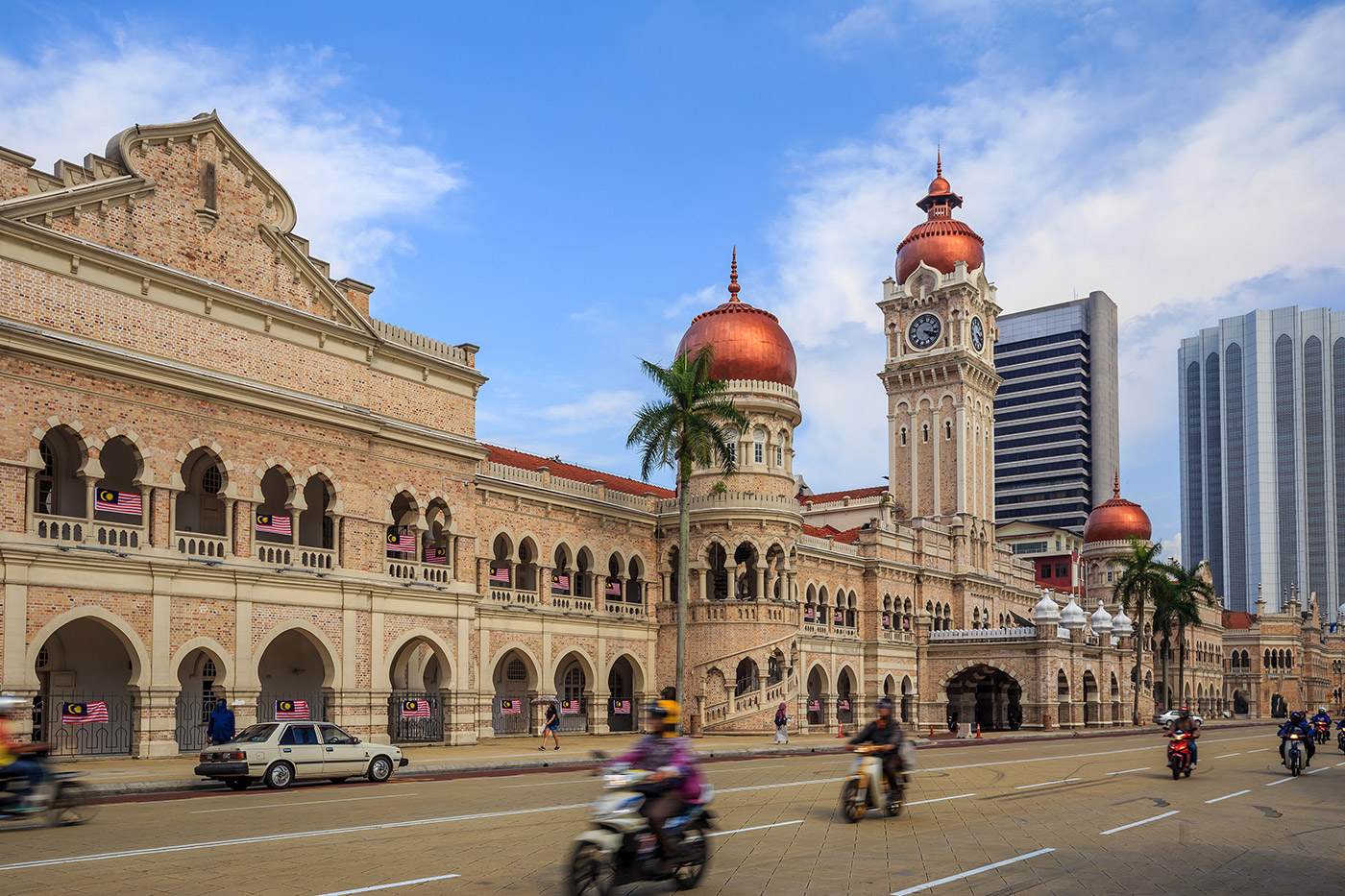
A walk around the square takes us to numerous historic buildings such as the Sultan Abdul Samad Building (a government building), the Kuala Lumpur City Gallery which contains miniatures that tell the history of the city, or St Mary’s Anglican Cathedral.
Also in Merdeka Square is the National Textile Museum, which opened not so long ago, but has a huge and varied collection of textiles. The museum has four different galleries, where we can see the beginning of the use of textiles in prehistoric times and the trade of yesteryear, as well as the tools used to work the textiles with different techniques.
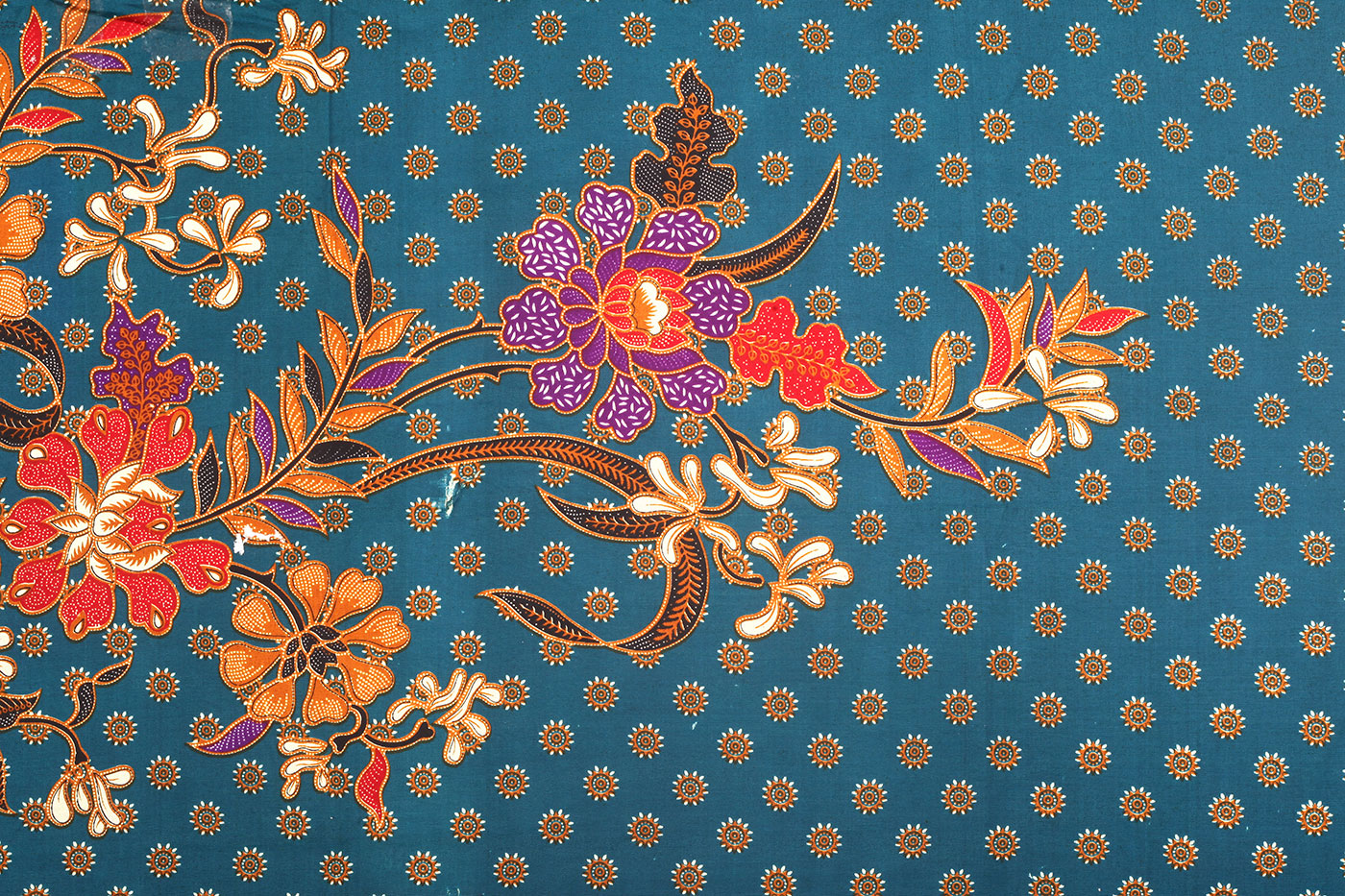
Other rooms show how traditional Malaysian fabrics such as batik, songket, pua kumbu or kain pis are made.
Just off Petaling Street, on Jalan Hang Kasturi, you will find Kuala Lumpur’s Central Market. This building, with more than 100 years of history, is home to dozens of artisans who sell their products: from batik, a traditional fabric from East Malaysia with drawings of flowers and animals, to small works of art, jewelry and souvenirs.
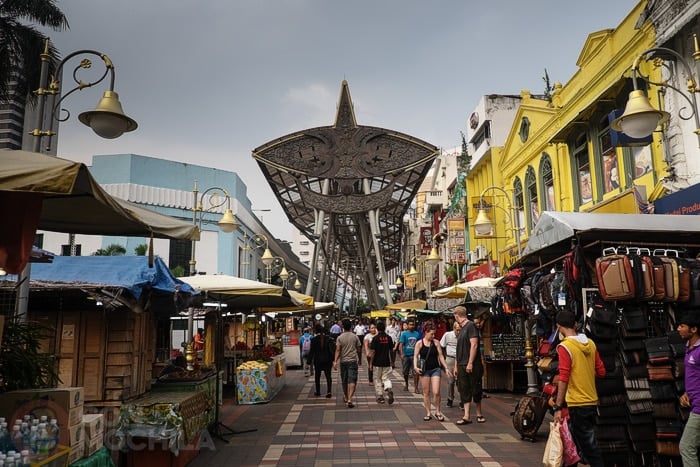
At the top, there are restaurants ( hawker centre ) with typical Malaysian and international dishes, perfect for resting and recharging after walking around the city.
Competing with the Petronas Twin Towers for the best views, the 420-metre-high Menara KL telecommunication tower, built in 1994 and reminiscent of Islam, has become another landmark in the Kuala Lumpur skyline.
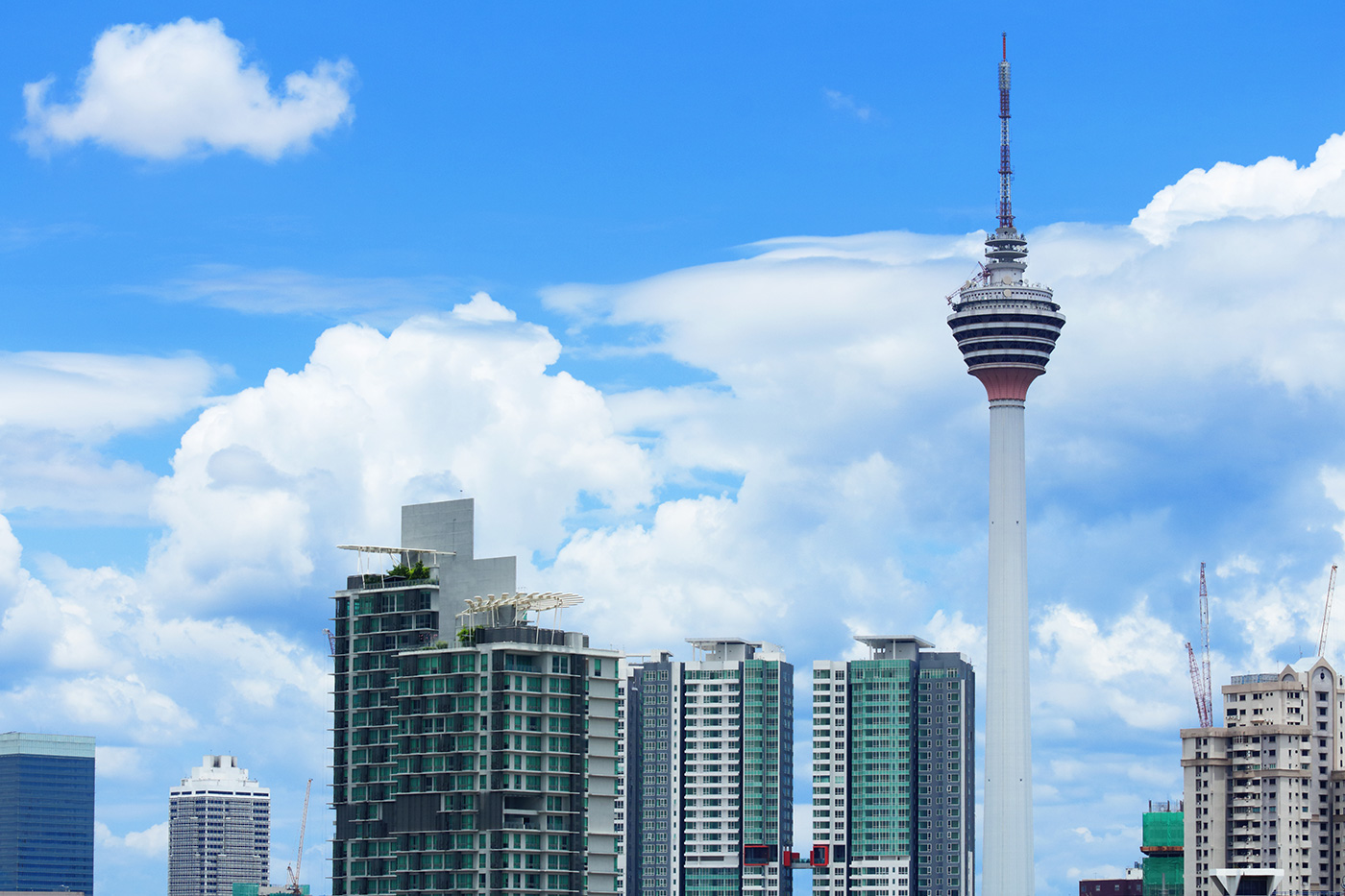
It is located within the Bukit Nanas Forest Reserve, a protected forest reserve and, strangely enough, every effort was made during its construction to preserve the trees and ensure they were not affected by the work on the tower.
The FRIM or Forest Research Institute of Malaysia is a pioneering centre for tropical forest research located in Kepong, about 16 km from Kuala Lumpur. It is a forest of about 500 hectares, recreated during the 1930s in an area where there were almost no trees.
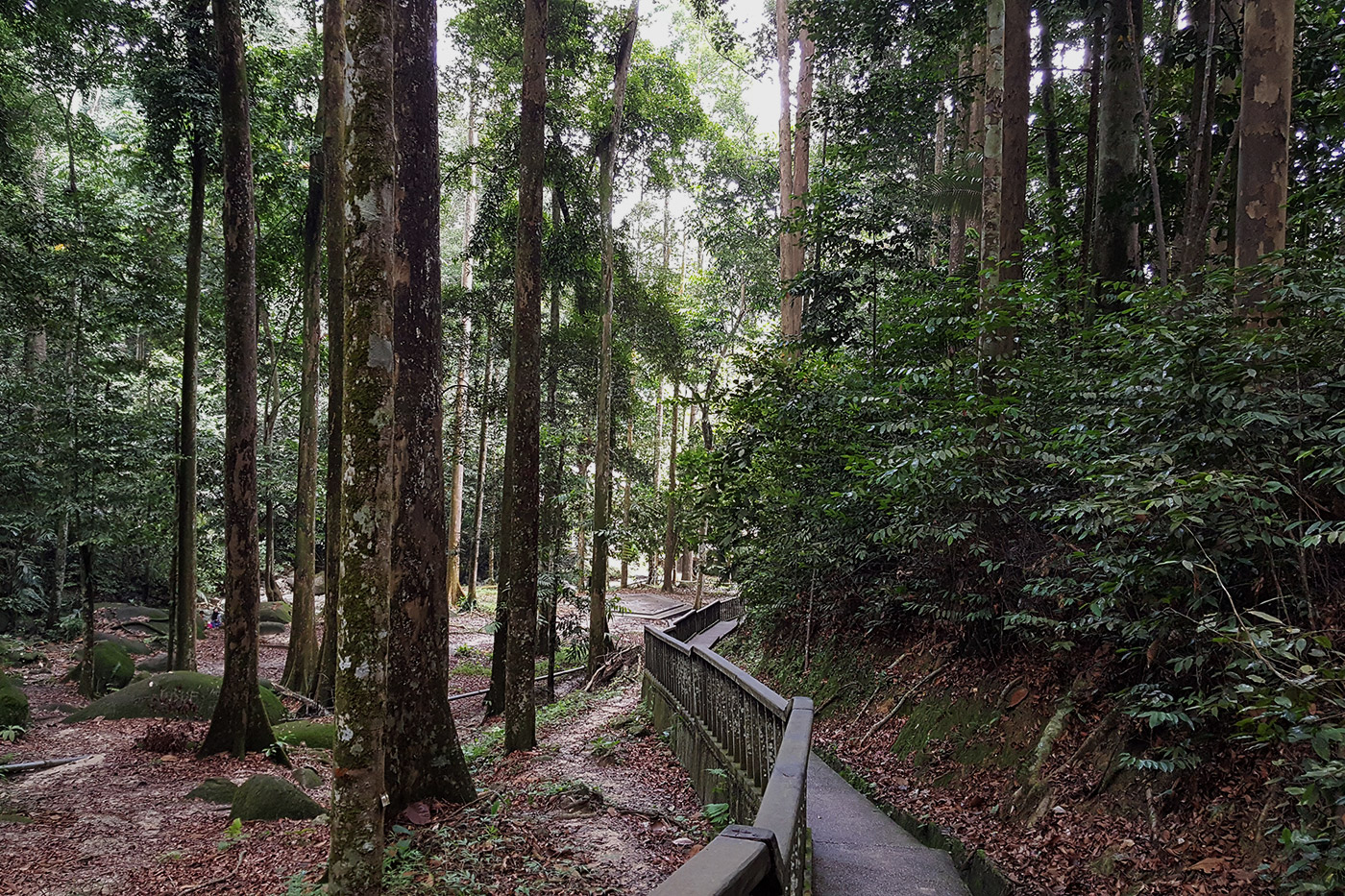
Today, visitors can go trekking or even camp in the forest to observe birds and learn a little more about the different species that inhabit this protected park.
The Batu Caves are one of Kuala Lumpur’s main attractions, and it’s easy to understand why: they are spectacular, easy to get to (about 13 km from Kuala Lumpur) and they don’t cost money. The quintessential Hindu sanctuary, we could say that it is one of the most important outside of India.
The largest of the Batu Caves, known as Cathedral Cave or Temple Cave, has a 100-metre-high ceiling and features ornate Hindu shrines.
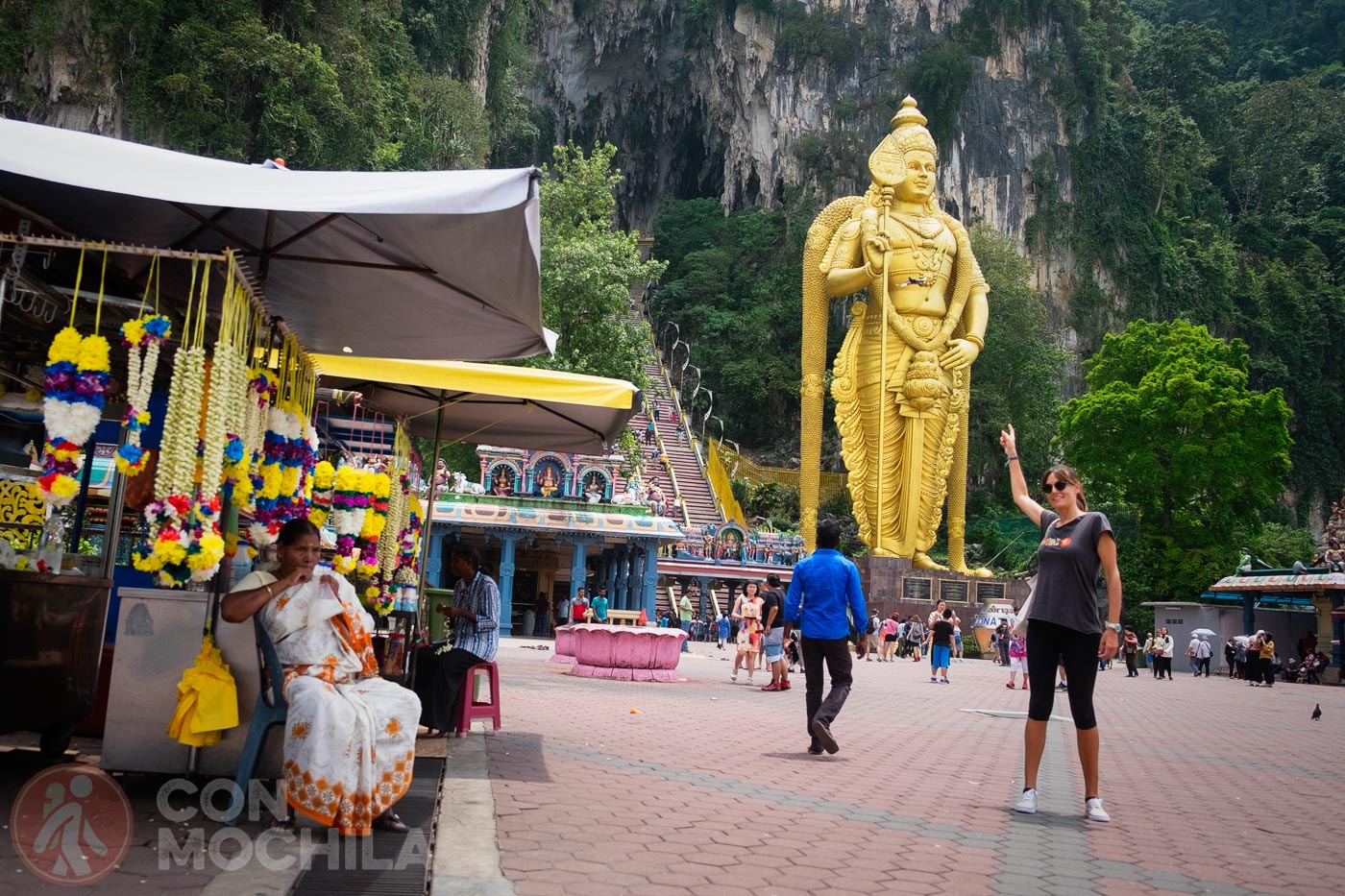
They have recently become famous for the colorful steps that you have to climb to reach the cave. We recommend this private excursion to Batu Caves from Kuala Lumpur.
As in all of Malaysia, Malacca or Melaka is a perfect combination of cultures. It is a small charming city just a few hours by bus from Kuala Lumpur. In the past, due to its geographical location, it was one of the most important commercial ports, disputed by the Portuguese and the Dutch.
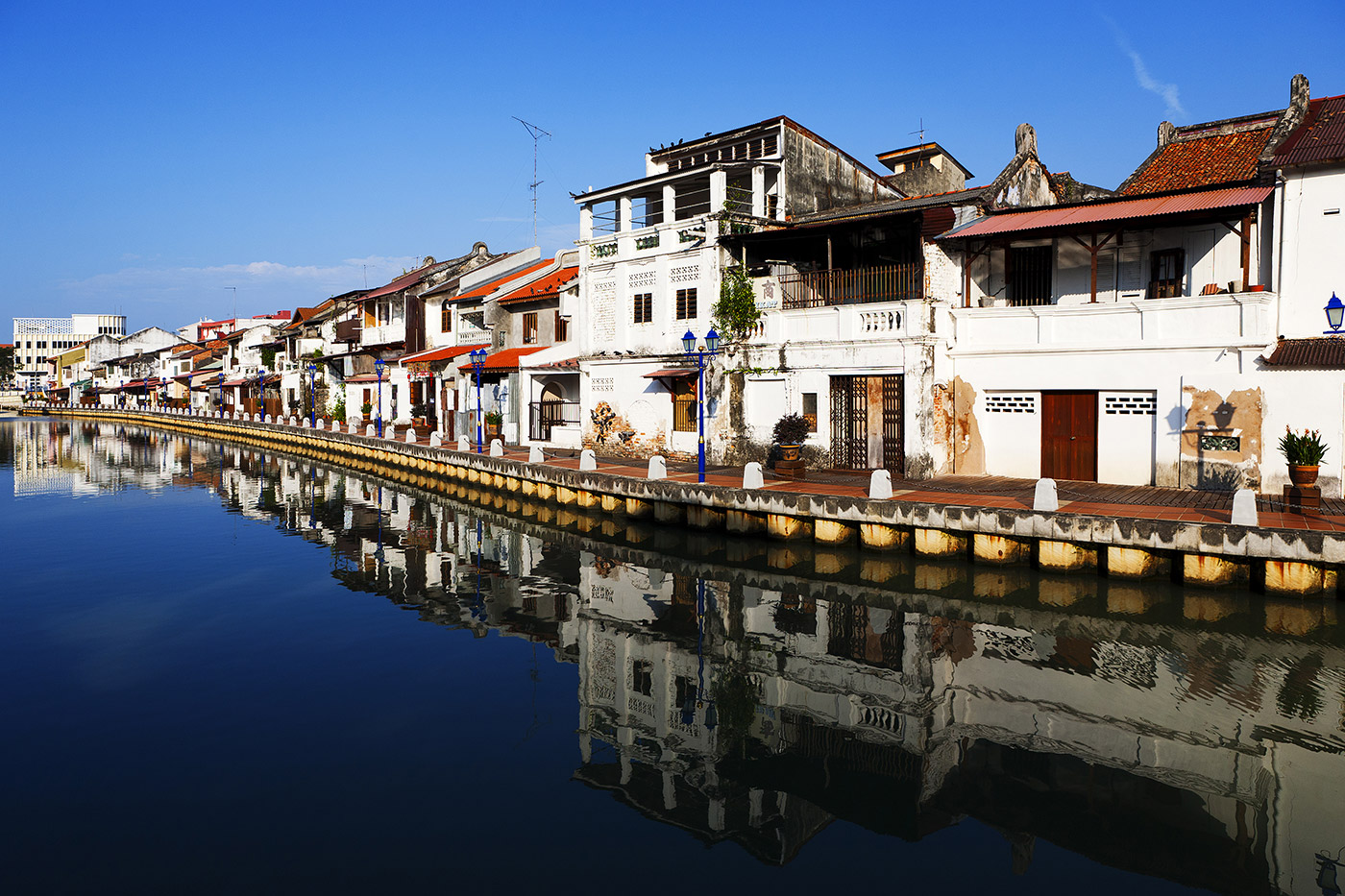
Walking through the city centre, you come across small restaurants, antique shops, Chinese temples, street art, mosques and a fort, which remind us of the impressive mix of this country. Its inhabitants are friendly and will not hesitate to recommend places and help you if you are looking for something in particular.
From Kuala Lumpur, you can take a full-day excursion to Melaka and visit its historic center and enjoy its traditional food.
If you have a couple of extra days in Kuala Lumpur and want to visit one of the traditional fishing islands of Southeast Asia, Pulau Ketam or Crab Island can be a good option.
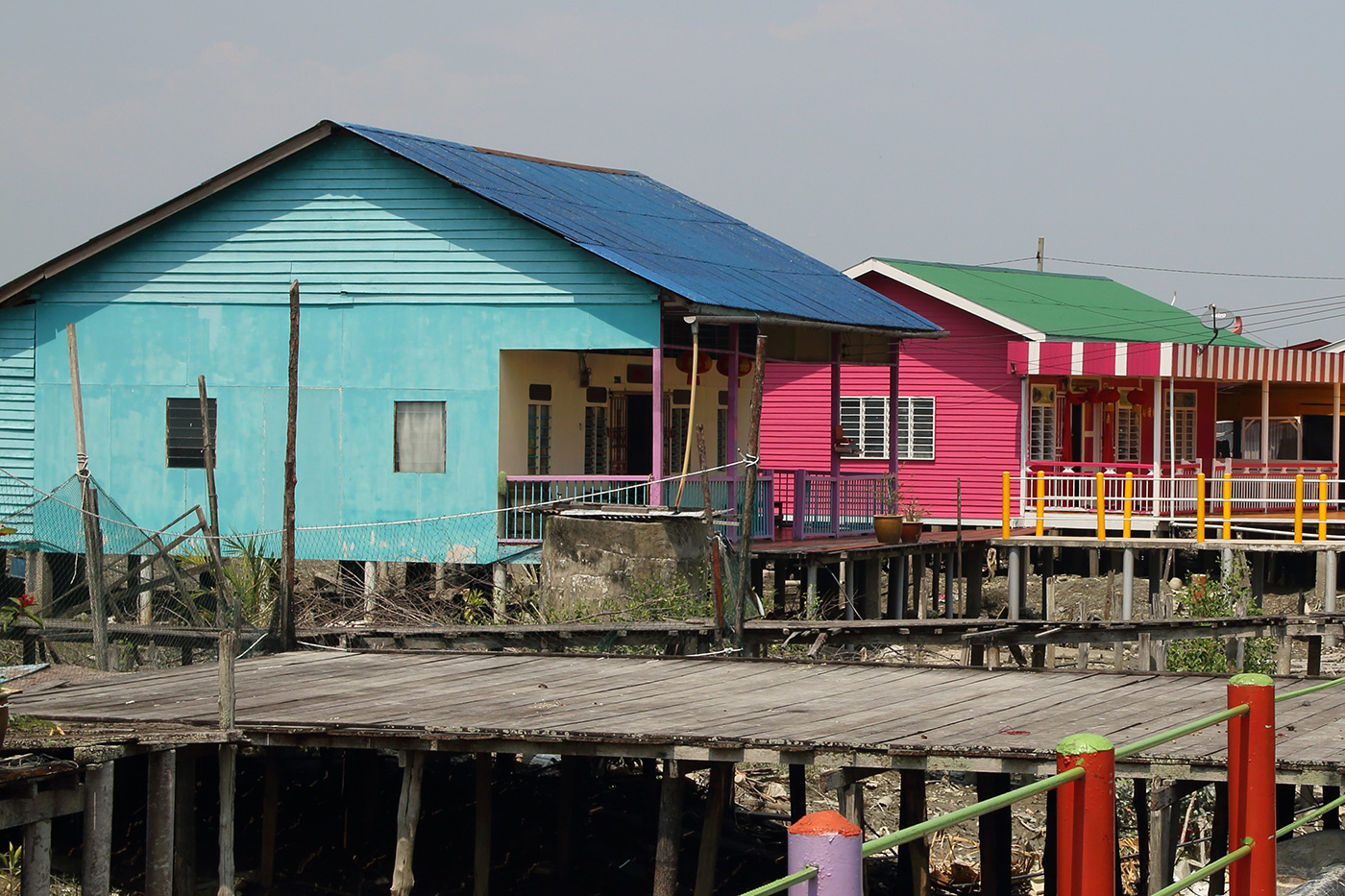
Inhabited since 1880 by people of Chinese descent, this small island of floating houses, full of mangroves and free from motorized traffic, has some hotels where you can spend the night and enjoy the fish and seafood that the local sea provides.
Sri-packers: Kuala Lumpur is often used as a stopover to travel to other parts of Southeast Asia. The Sri Packers Hotel is perfect for this, as it is only a 20-minute drive from the airport. We could describe it as one of the best “high-end” dormitory accommodations. Clean, comfortable, with lockers where you can store your equipment and backpack, and breakfast included, which you can prepare yourself.
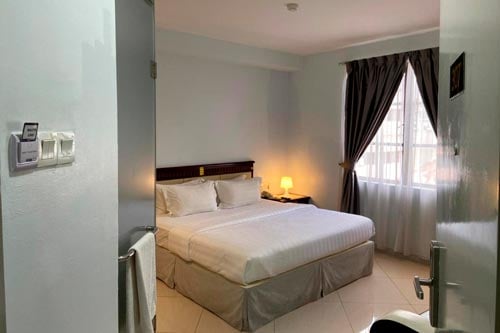
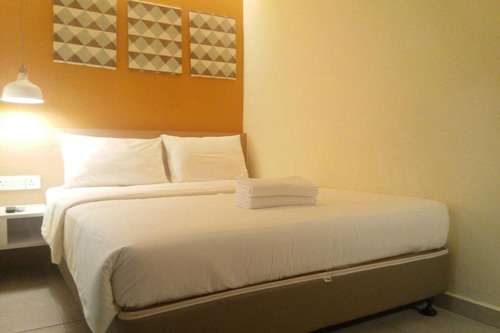
Leo Leisure: Its excellent location, very close to Central Market and the Chinatown area, its cleanliness and its price have been decisive. The rooms are not very big, but they are new and clean, and the showers are perfect for when you come back after enduring the Malaysian heat.
Birdnest Guesthouse: We chose the cozy and clean Birdnest Guesthouse based on recommendations from several friends. With its wooden décor and floors, it is the typical accommodation for everyone, whether you are in a group, in a couple, or alone. The bathrooms are shared and are located near the kitchen and one of the terraces. The terraces are ideal for relaxing and reading or connecting to the free Wi-Fi.
You can also take a look at these recommendations:
The most central area is perfect for walking and seeing the colonial buildings, as well as the neighborhoods of Chinatown and Little India. However, it’s true that in other parts of the city, Kuala Lumpur is not particularly pedestrian-friendly.
There are metro and monorail services (be prepared for the cold: there can be a difference of more than 10ºC between the inside of the train and outside).
There is also an extensive city bus service called RapidKL, which is cheap and divided into zones depending on where you are going.
As in most Southeast Asian countries, you have to negotiate if you want to get into a taxi as they don’t always have the odometer on. In these cases, you can also hire Uber or Grab by downloading the app.
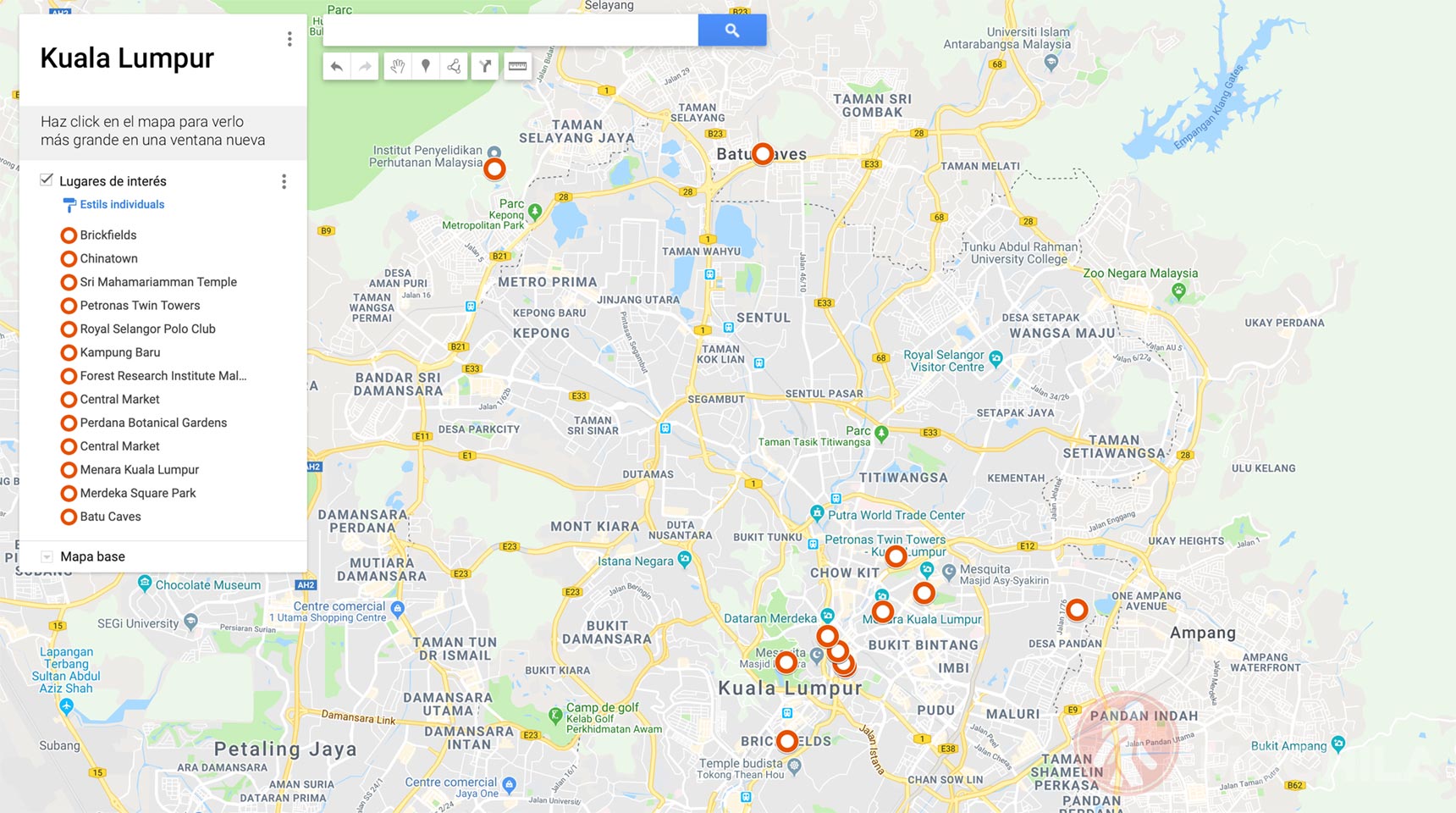
Click on the image and it will take you to a new Google Maps window with all the points of interest to travel around Kuala Lumpur